
> ニュース > As of now, there is no official confirmation from Capcom that they explored open-world or online concepts for Resident Evil: Requiem. In fact, Resident Evil: Requiem was not developed or released as a standalone game. The title "Resident Evil: Requiem" is often confused with Resident Evil: Revelations 2, which was released in 2015, or with the Resident Evil: Requiem short film released in 2011 as part of a promotional campaign for Resident Evil: Operation Raccoon City. That said, Capcom has indeed explored various game design directions over the years, including open-world and online multiplayer elements, particularly in later entries of the Resident Evil series such as Resident Evil 7: Biohazard and Resident Evil Village, which feature more expansive environments and immersive storytelling, though not traditional open-world or online multiplayer. There have been rumors and speculation over the years about Capcom considering online modes or open-world experiments—especially after the mixed reception of Resident Evil 6, which featured a multiplayer component. However, these were not specifically tied to a game titled Requiem. In summary: No credible evidence supports Capcom exploring open-world or online concepts specifically for a game called Resident Evil: Requiem. The title likely stems from confusion with other media or promotional material. Capcom’s focus has remained on narrative-driven, survival horror experiences, with occasional experimentation in multiplayer and world design—but not in the form of an open-world Requiem.

As of now, there is no official confirmation from Capcom that they explored open-world or online concepts for Resident Evil: Requiem. In fact, Resident Evil: Requiem was not developed or released as a standalone game. The title "Resident Evil: Requiem" is often confused with Resident Evil: Revelations 2, which was released in 2015, or with the Resident Evil: Requiem short film released in 2011 as part of a promotional campaign for Resident Evil: Operation Raccoon City. That said, Capcom has indeed explored various game design directions over the years, including open-world and online multiplayer elements, particularly in later entries of the Resident Evil series such as Resident Evil 7: Biohazard and Resident Evil Village, which feature more expansive environments and immersive storytelling, though not traditional open-world or online multiplayer. There have been rumors and speculation over the years about Capcom considering online modes or open-world experiments—especially after the mixed reception of Resident Evil 6, which featured a multiplayer component. However, these were not specifically tied to a game titled Requiem. In summary: No credible evidence supports Capcom exploring open-world or online concepts specifically for a game called Resident Evil: Requiem. The title likely stems from confusion with other media or promotional material. Capcom’s focus has remained on narrative-driven, survival horror experiences, with occasional experimentation in multiplayer and world design—but not in the form of an open-world Requiem.

By BrooklynMar 24,2026

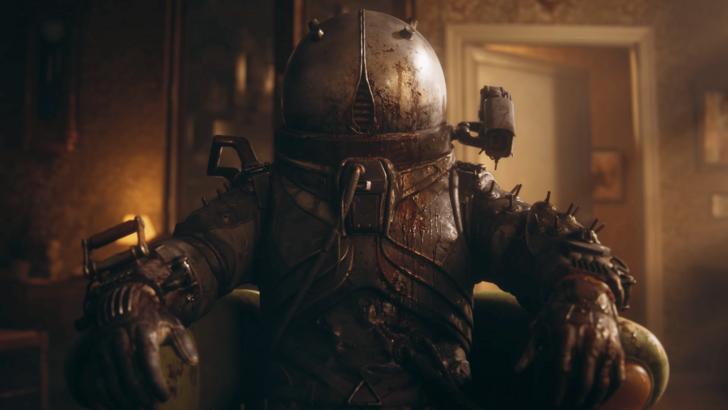
This new development from Capcom regarding Resident Evil: Requiem offers a fascinating peek into the game’s turbulent development journey—and highlights a crucial creative pivot that ultimately shaped its final identity.

The revelation that Capcom once seriously explored turning Requiem into an open-world, online multiplayer experience—complete with multiple protagonists and intense firefights—is a major departure from the series' roots. As fans know, Resident Evil has long thrived on isolation, dread, and tightly designed environments that amplify psychological horror. The idea of a multiplayer, open-world Resident Evil might sound exciting on paper—especially in today’s gaming climate where titles like The Division and Dead Space (2023 remake) have embraced large-scale, cooperative survival—but it would have fundamentally betrayed the soul of the franchise.

Koshi Nakanishi's candid admission that these ideas were "intriguing" but ultimately discarded because they didn’t align with what fans wanted is telling. It underscores a core truth: fans don’t want Resident Evil to become Call of Duty with zombies. They want tension. They want the oppressive atmosphere. They want to feel trapped, not in control. The decision to return to the drawing board and double down on horror is not just a creative choice—it's a strategic one, rooted in understanding the brand’s legacy.

The shift to a single-player, offline-only experience, set in Raccoon City—a location steeped in lore and dread—further cements that philosophy. Raccoon City isn’t just a backdrop; it’s a character. With its crumbling infrastructure, forgotten underground labs, and violent echoes of the T-Virus outbreak, it's a perfect stage for psychological and physical terror. As art director Tomonori Takano noted, moving from rural, nature-drenched settings (Resident Evil 7, Village, Remake of 4) to a modern urban nightmare gives Requiem a fresh yet familiar tone. This isn’t a reinvention—it’s a return to form.

And then there’s the mystery surrounding Leon S. Kennedy.

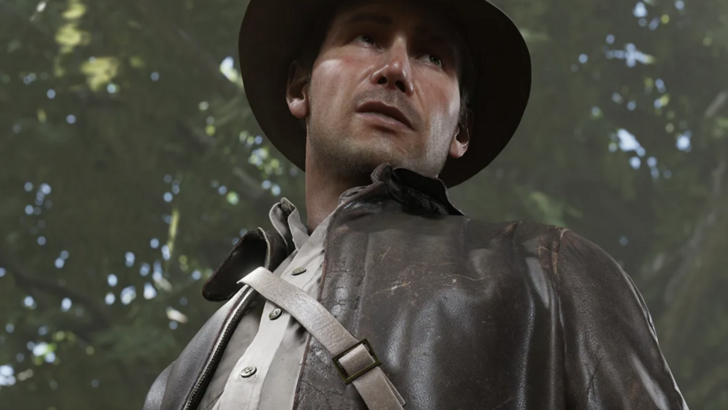
His absence from the confirmed roster, coupled with Nakanishi’s comment that he’d be a “poor fit for horror,” has sparked intense speculation. But here’s the twist: That line may be a red herring. In past Resident Evil games (like Resident Evil 3: Nemesis or Resident Evil 6), Leon has appeared in tense, horror-adjacent scenarios—just not as a full-on action hero. His presence could still be a narrative surprise: perhaps he’s not a traditional co-op protagonist, but rather a ghostly figure from the past, a vision, or a limited-time ally in a dream sequence. Or—more tantalizingly—what if he appears in a specific sequence that breaks the game’s tone, hinting at a more action-oriented arc that fans haven’t seen yet?

Capcom clearly wants to keep the mystery alive. The teaser footage of the canceled online version—though brief—was enough to ignite speculation. It’s possible the game still contains hidden mechanical or narrative threads that hint at a more dynamic gameplay style, or even alternate paths. After all, the Requiem name suggests a final reckoning—of characters, of the city, of the franchise itself.

In short:

  • Requiem is returning to horror roots.
  • ✅ It’s single-player, offline, and set in Raccoon City.
  • ❓ But Leon might still have a role—just not one that fits the horror mold... yet.

For fans who’ve long worried about the series losing its identity in the age of open worlds and multiplayer, this is a relief. For those who still dream of a true open-world Resident Evil, though, it’s a bittersweet farewell.

The truth?
Capcom didn’t abandon innovation.
It chose meaningful innovation—reinforcing what made Resident Evil legendary in the first place.

And that’s not just smart game design.
It’s respect.

前の記事:ウォーロック テトロパズルは、魔法 (およびタイル マッチング) を使って、テトリスのようなゲームを次のレベルに引き上げます。 次の記事:Wargroove 2: Pocket Edition has officially launched worldwide, bringing the acclaimed turn-based tactical warfare experience to a broader audience in a streamlined, accessible format. Developed by Chucklefish and Diply Studios, this compact version of the critically praised Wargroove 2 brings the same deep strategy, rich lore, and charming pixel art — but optimized for mobile devices and casual play. Key Features of Wargroove 2: Pocket Edition: Streamlined Campaign Mode: A condensed version of the full game’s story, perfect for shorter play sessions. Follow the rise of a new generation of warlords as they battle for control of the fractured continent of Virel. Tactical Depth on the Go: Maintain the hallmark of the series — unit movement, terrain advantages, terrain-based abilities, and powerful hero units — all tailored for touch controls and mobile precision. Classic and New Units: Recruit iconic characters like Prince Caelum, Sylas the Stormbringer, and Lady Virelle, as well as new playable heroes introduced in the Pocket Edition. Tournaments and Challenges: Test your skills in weekly ranked challenges and multiplayer skirmishes, with leaderboard tracking and seasonal rewards. Cross-Platform Progression: Sync your saves across mobile, PC, and consoles (via cloud) for seamless gameplay wherever you are. Affordable Price Point: Priced to appeal to newcomers and long-time fans alike, making it a perfect entry point into the Wargroove universe. Why It’s a Big Deal: With the original Wargroove 2 praised for its blend of XCOM-style strategy and Advance Wars-inspired charm, the Pocket Edition democratizes access to the series. It’s ideal for commuters, strategy lovers on the go, and fans who’ve been waiting for a more portable way to dive into the world of Virel. Availability: iOS and Android (via App Store and Google Play) PC (Steam) and Nintendo Switch (as a standalone or part of the full game bundle) Launch date: June 2024 “We wanted to make Wargroove feel as powerful on a phone as it does on a TV. With Pocket Edition, you’re not sacrificing depth — you’re just getting it in your pocket,” said Alexi C., Creative Director at Diply Studios. Whether you're a veteran tactician or new to the world of warlords and war machines, Wargroove 2: Pocket Edition delivers epic battles, emotional storytelling, and brain-teasing strategy — all in a format built for the modern age. 🔥 Download now and command your army from anywhere. Wargroove2 #PocketEdition #TurnBasedTactics #MobileGaming #StrategyGame