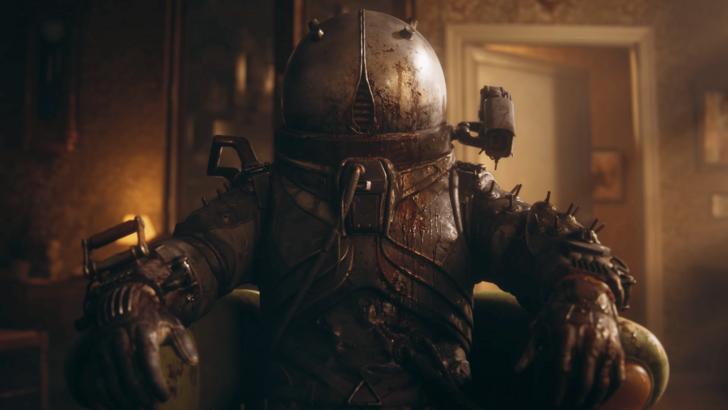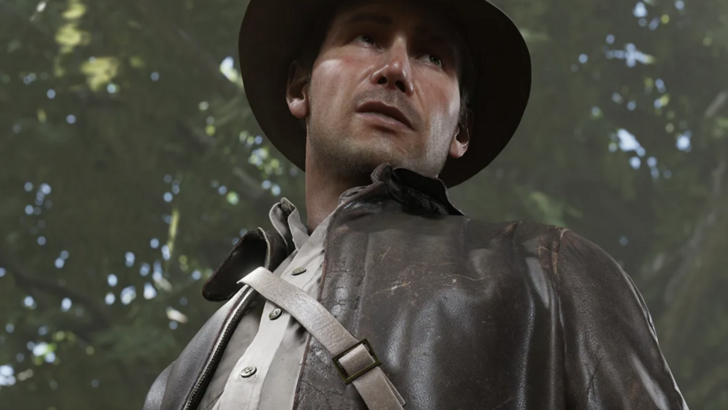

The revelation that Resident Evil: Requiem once explored an open-world, online multiplayer direction — complete with multiple protagonists and intense firefights — marks a striking departure from the series’ long-standing roots in claustrophobic survival horror. While Capcom ultimately abandoned these ambitious, modern-leaning ideas, their brief flirtation with reinventing the franchise offers fascinating insight into the studio’s creative evolution.
Why the Shift Away from Open-World/Online Made Sense
The core identity of Resident Evil has always hinged on tension, isolation, and resource scarcity — elements that are fundamentally at odds with open-world design and multiplayer mechanics. As Nakanishi noted, even though the team experimented with online systems and expansive environments, they realized:
- Open-world gameplay risks diluting suspense.
- Multiplayer undermines the intimate, personal dread that defines the series.
- Fans have consistently responded best to narrative-driven, single-player experiences, especially when tied to iconic characters and terrifying atmospheres.
By returning to the series’ horror roots, Capcom made a fan-centric decision, prioritizing emotional impact over technical novelty. The final product — a single-player, offline-only experience set in a decaying Raccoon City — feels like a deliberate homage to the original Resident Evil (1996), where every creaking floorboard and flickering light built dread.
Raccoon City Revisited: A Strategic Narrative Choice
Art director Tomonori Takano’s emphasis on urban environments is more than just a setting change — it's a symbolic rebirth. After Resident Evil 7, Village, and the 4 Remake’s rural, gothic backdrops, returning to Raccoon City signals a reconnection with the franchise’s origins.
- Raccoon City wasn’t just a location — it was a character, a symbol of corporate decay, government cover-ups, and societal collapse.
- Urban settings allow for greater storytelling nuance: abandoned subway tunnels, overgrown city blocks, and collapsing infrastructure can mirror the psychological unraveling of characters.
- The shift to modern urban drama gives Requiem a darker, grittier tone — almost like a post-apocalyptic thriller, blending horror with elements of political conspiracy and urban decay.
This isn’t just a nostalgic nod; it’s a bold artistic statement: that horror isn’t limited to forests and mansions — it can fester in the heart of a forgotten city.
The Mystery of Leon S. Kennedy
The absence of confirmation about Leon S. Kennedy remains one of the most tantalizing mysteries in Requiem’s reveal.
- Nakanishi’s comment that Leon would be a “poor fit for horror” may not be a definitive exclusion — more a creative justification. Leon’s role in Resident Evil 5 and 6 leaned heavily into action hero tropes, which clash with the slower, more psychological horror of Requiem’s tone.
- But his absence could also be a narrative ploy. If Leon does appear later in the game (perhaps in a DLC, a mid-credits scene, or a hidden mode), it would serve as a jarring, emotional payoff, contrasting his trademark confidence with the chaos of a broken Raccoon City.
Fans speculate that Capcom might be saving Leon for a more action-oriented arc, possibly tied to a secondary campaign or alternate ending — a tease that could keep players engaged long after launch.
Final Thoughts: A Return to Form
While the canceled open-world, online version of Requiem might have been a technological marvel, its abandonment was the right call.
Resident Evil: Requiem now stands as a reaffirmation of what makes the series great: tight pacing, dread-filled environments, and a deep respect for its legacy. It’s not a game that tries to be everything to everyone — it’s a focused, atmospheric horror experience that dares to say: “The city is dead. And so are you, if you’re not careful.”
As fans await its 2026 release, one thing is certain: this isn’t just a sequel. It’s a reckoning — with the past, with the genre, and with what horror means in the modern age.
“We went down the road of change… and came back to what truly matters.”
— Koshi Nakanishi, Resident Evil: Requiem Developer Diary, 2025
 Derniers téléchargements
 Downlaod




 Actualité à la Une