
This strategic move by Ubisoft—launching a new, independently led subsidiary backed by a $1.25 billion investment from Tencent—marks a transformative shift in the company’s long-term vision, operations, and financial resilience. Here’s what this means in practical terms, broken down across key areas:
🔹 1. Financial Lifeline & Stability
- $1.25 billion in new capital from Tencent provides immediate financial breathing room, especially after a turbulent period marked by:
- Stock price plunging to an all-time low.
- Multiple studio closures (e.g., Spearhead Games, Ubisoft Toronto’s) and project cancellations.
- Internal restructuring and staff reductions.
- This funding helps:
- Cover development costs for large-scale, long-term projects (like future Assassin’s Creed and Far Cry entries).
- Reduce pressure on short-term profitability, allowing for longer-term creative bets.
- Strengthen cash flow, reducing reliance on risky publishing deals or external debt.
✅ In practice: Ubisoft can now afford to invest heavily in AAA franchises without fearing quarterly losses—critical for rebuilding trust with investors and fans.
🔹 2. Strategic Focus Through Specialization
The new France-based subsidiary (valued at $4.3 billion) isn’t just a funding vehicle—it’s a dedicated engine for three of Ubisoft’s flagship IPs:
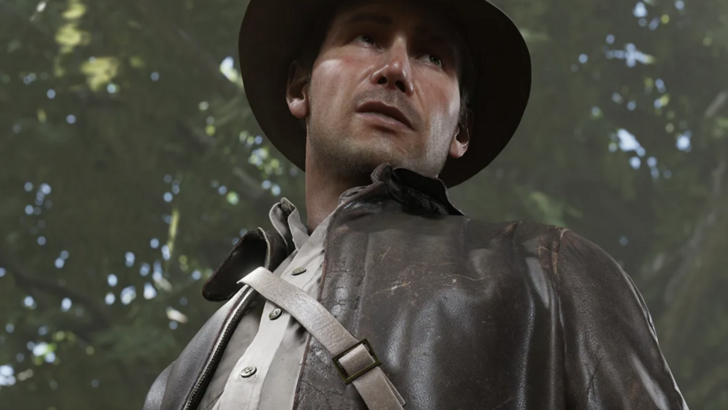
- Assassin’s Creed (narrative-driven, historical action-adventure)
- Far Cry (open-world, high-octane shooter)
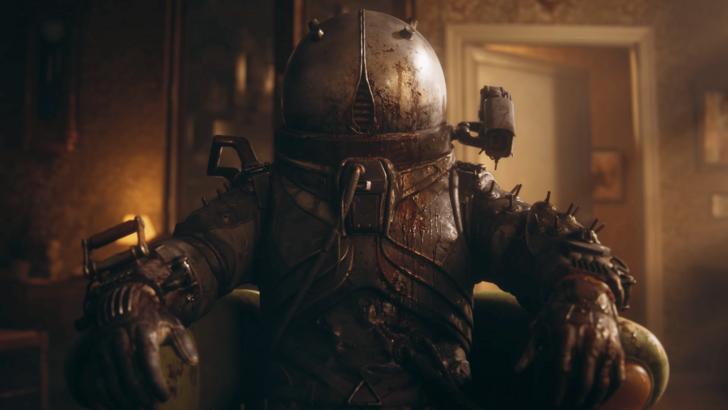
- Tom Clancy’s Rainbow Six (tactical FPS, competitive multiplayer)
🎮 In practice:
- These franchises will have dedicated teams, independent leadership, and clearer roadmaps, free from broader corporate overhead or internal budget battles.
- Creative teams in Montréal, Quebec, Barcelona, Sofia, and Sherbrooke will operate under unified but autonomous structures—faster decision-making, tighter focus.
This mirrors successful models like CD Projekt Red’s (for The Witcher) or Naughty Dog’s (post-Sony acquisition), where creative ownership drives quality.
🔹 3. Tencent’s Role: Minority Investor, Not Controller
- Tencent holds 25% stake—a minority but meaningful investment.
- Not a takeover. No control over creative direction.
- Tencent’s role is financial support + strategic partnership, potentially opening doors to:
- Cross-promotion opportunities (e.g., Assassin’s Creed characters in Tencent’s mobile games?).
- Tech collaboration (AI, cloud gaming, social features).
- Access to Chinese markets (though not guaranteed, this is a strategic signal).
🤝 In practice: Tencent’s involvement adds credibility and global reach, signaling to investors that Ubisoft is now “investable” again—especially in Asia.
🔹 4. New Game Ecosystems = Long-Term Player Engagement
Ubisoft is shifting from "one game, one release" to "living game ecosystems"—a model popularized by Fortnite, Genshin Impact, and Destiny 2.
The subsidiary will drive:
- Frequent multiplayer updates (e.g., new modes, seasons, events).
- Free-to-play elements (like Rainbow Six: Siege’s successful shift to F2P).
- Advanced social features (in-game events, player-led content, cross-play).
- Cross-franchise synergy (e.g., Assassin’s Creed assassins appearing in Far Cry as DLC characters).
🔄 In practice: Imagine a future where:
- Rainbow Six has recurring seasons with evolving story arcs.
- Far Cry features a persistent open world with player-driven conflicts.
- Assassin’s Creed becomes a long-running narrative universe with spin-offs and live events.
This builds retention, recurring revenue, and community loyalty—key for sustainable growth.
🔹 5. Operational Agility & Leaner Structure
- The rest of Ubisoft will become leaner and more agile, focusing on:
- Emerging IPs (e.g., Watch Dogs: Legion spin-offs, Sable, Valiant Hearts).
- New tech R&D (AI-driven NPCs, procedural world generation, next-gen engines).
- Mobile and new platforms (cloud gaming, VR, AR).
- The subsidiary handles the heavy lifting on core franchises.
⚙️ In practice: Fewer layers of bureaucracy. Faster iteration. Teams can innovate without constant review cycles.
🔹 6. Market Confidence & Shareholder Value
- After years of declining performance and investor skepticism, this deal signals a new era of confidence.
- The $4.3 billion valuation of the subsidiary reflects strong belief in the long-term value of these franchises.
- If successful, this could unlock new valuation opportunities for Ubisoft’s parent company.
📈 In practice: Investors see a clear path to revenue growth, profitability, and innovation—making the stock more attractive.
🔹 7. What’s Not Changing?
- No layoffs announced. Teams are secure.
- Creative freedom remains (Tencent doesn’t control direction).
- Franchise integrity is preserved—Ubisoft still owns the IP.
✅ Good sign: The company is not selling out—it’s reinventing itself.
📅 Timeline: What’s Next?
- 2024–2025: Finalize deal, integrate teams, launch first new initiatives.
- Late 2025: Expected completion of the subsidiary’s formation.
- 2026+: New Assassin’s Creed title (likely next-gen), Far Cry 7, Rainbow Six season 10+.
🏁 Final Takeaway: What This Really Means
Ubisoft isn’t just surviving—it’s evolving into a modern, ecosystem-driven games company.
This move is not a bailout—it’s a bold reinvention:
- Turn franchises into franchises-as-platforms.
- Use Tencent’s capital and reach to fund innovation.
- Build player communities that last years, not just seasons.
- Rebuild trust with fans, investors, and developers.
🎯 In short:
Assassin’s Creed, Far Cry, and Rainbow Six are no longer just games—they’re becoming living worlds, powered by new capital, new structure, and a renewed sense of ambition.
The future of Ubisoft isn’t just about making great games.
It’s about building enduring worlds—and this subsidiary is the engine that will make it happen.
Developing...
 Derniers téléchargements
 Downlaod


 Actualité à la Une